CDL Air Brake Test Procedure: Why the Engine Must Remain Off During the Inspection
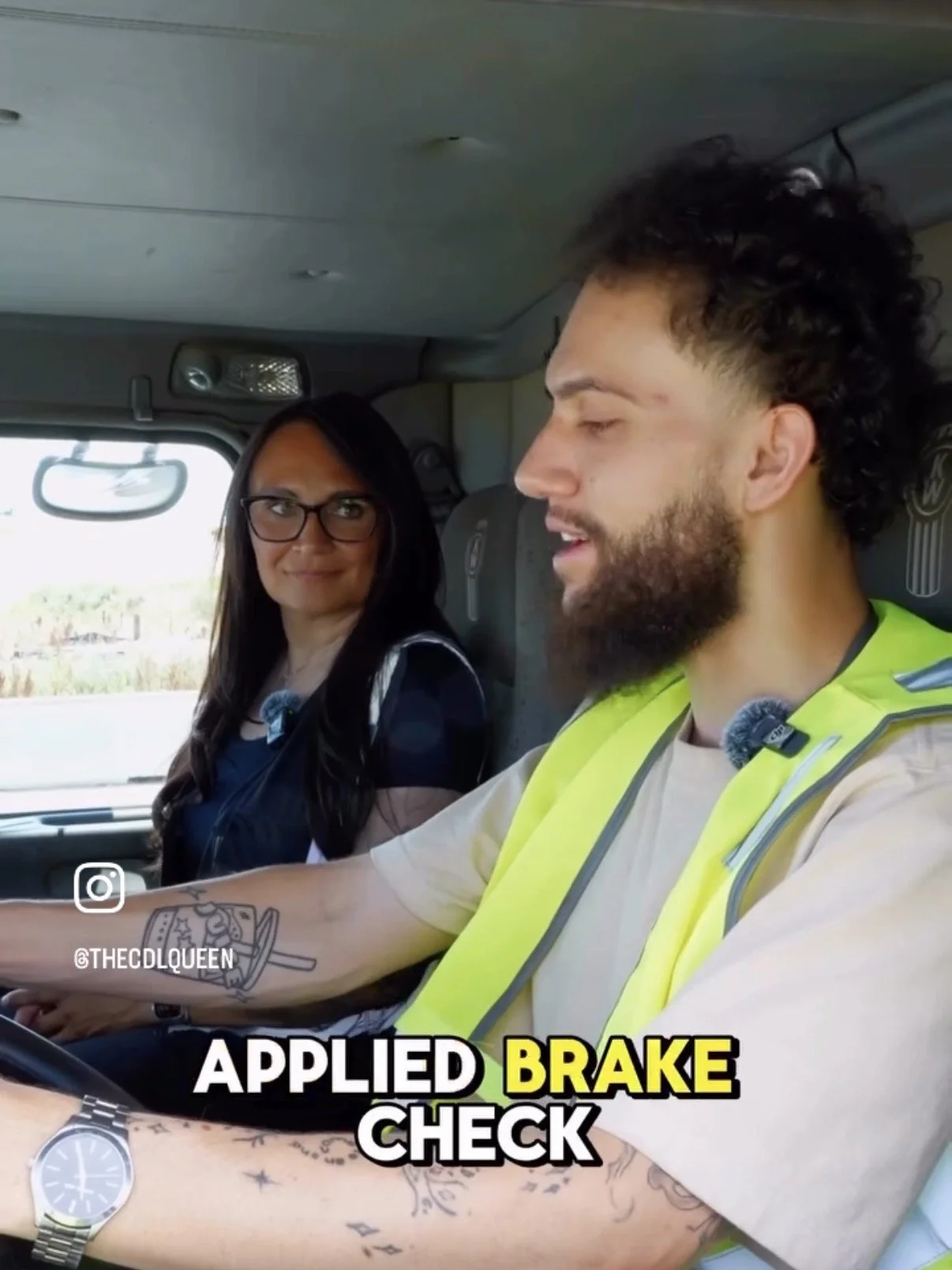
The air brake portion of the CDL pre-trip inspection is one of the most standardized procedures in commercial driver training, yet it is also one of the areas where technical arguments occasionally arise. A common point of debate centers on whether the engine can be restarted after the applied pressure test during the in-cab inspection. Some individuals claim that restarting the engine between the applied pressure test, the low air warning test, and the spring brake activation test should be acceptable because federal regulations do not explicitly state that the engine must remain off. A closer look at the procedure described in federal training materials, CDL manuals, and the structure of the modernized CDL skills test shows why the long-standing teaching method used by most professional CDL schools keeps the engine off for the entire sequence of the air brake checks.
The applied pressure test is the starting point for understanding the correct procedure. Federal guidance and industry training materials consistently describe this test as being performed with the engine off and the air system fully charged. The standard instruction reads as follows: perform the applied pressure test with the engine off and the air pressure fully charged, then apply the service brake and hold it for one minute while observing the gauges for air loss. This description reflects the procedure referenced in commercial driver training materials derived from the Federal Motor Carrier Safety Regulations governing brake systems and inspection procedures. The air brake system itself is regulated under 49 CFR Part 393 Subpart C, which establishes requirements for brake system performance and safety.
Once the applied pressure test is completed, the procedure continues into the remaining checks without restarting the engine. These checks include verifying the activation of the low air pressure warning device and confirming that the spring brakes engage automatically when air pressure drops to the appropriate range. In most CDL training programs this sequence is taught as a four part air brake check. The first step involves building air pressure to governor cut-out with the engine running. The second step is the applied pressure test performed with the engine off. The third step verifies the low air warning system while the engine remains off. The final step confirms the automatic engagement of the spring brakes as pressure continues to drop. This sequence is widely used because it allows the examiner to observe the behavior of the air brake system under consistent conditions.
Federal training materials reinforce this configuration. Guidance associated with the commercial driver training standards explains that the air leakage test should be conducted with the engine off, the key in the on position, and the parking brake released so that pressure can be monitored without interference from the air compressor. The purpose of this configuration is to allow the system pressure to drop naturally so that the examiner can observe how the system behaves without any mechanical assistance from the compressor. This method aligns with the inspection principles contained in 49 CFR §396.13, which requires drivers to be satisfied that brake systems are in safe operating condition before operating a commercial motor vehicle.
Industry training guides and CDL instruction manuals follow the same sequence. Students are typically taught to build air pressure to the maximum operating level, shut off the engine, leave the key in the on position, release the parking brakes, perform the applied pressure test, and then continue directly into the low air warning and spring brake activation checks. The procedure flows continuously from one step to the next because each test relies on the same system conditions. Restarting the engine during this process would interrupt that condition and alter the results of the tests that follow.
The reason instructors emphasize keeping the engine off is mechanical rather than procedural. When the engine is running, the air compressor attached to the engine begins refilling the air tanks as soon as pressure begins to drop. This mechanical action interferes with the purpose of the inspection. The applied pressure test is designed to measure system leakage while the brake system is under load. The low air warning test is intended to confirm that the warning device activates at the correct pressure threshold. The spring brake test verifies that the emergency braking system engages automatically when pressure drops to a critical level. Each of these checks depends on observing the air pressure drop naturally. If the compressor is running, it replaces the air being lost and prevents the pressure from dropping at the correct rate. As a result, the test conditions are no longer valid.
The confusion about restarting the engine usually stems from two different misunderstandings. The first involves the difference between a CDL test procedure and a real-world vehicle inspection. In day-to-day truck operation, drivers frequently restart the engine during inspections in order to rebuild air pressure after testing the brakes. This is normal practice outside of the testing environment. The CDL skills test, however, is a standardized demonstration of system knowledge. The inspection is performed in a controlled sequence so that each part of the brake system can be observed under specific conditions.
The second source of confusion comes from variations in how different instructors present the procedure. Some training programs teach students to rebuild air pressure immediately after completing the spring brake check. Others rebuild air pressure later in the inspection. These differences occur after the four air brake checks are complete. None of the standard procedures describe restarting the engine between the applied pressure test, the low air warning test, and the spring brake activation test.
An important distinction must also be made between federal regulations and state testing policy. Federal regulations governing commercial motor vehicles describe how air brake systems must function and how drivers must inspect their vehicles, but they do not specify the exact scoring criteria used during CDL skills testing. Those scoring criteria are developed through a model testing system created by the American Association of Motor Vehicle Administrators and implemented by state licensing agencies. The federal rule does not explicitly say that restarting the engine during the air brake test is prohibited. At the same time, the procedure described in training guidance never includes restarting the engine as part of the sequence. Because the procedure is intended to demonstrate the behavior of the system under a specific condition, examiners typically treat restarting the engine during the process as a procedural failure.
The structure of the modernized CDL skills test reinforces this interpretation. The modern testing model evaluates the air brake inspection as a continuous demonstration within the in-cab inspection. The applicant must show that the system builds air pressure correctly, that the system does not lose excessive air when the brakes are applied, that the low air warning activates at the proper threshold, and that the spring brakes engage automatically as pressure continues to drop. These steps are intended to occur under the same system conditions. Once the engine is turned off after the air pressure build-up test, the remainder of the air brake inspection is expected to take place without the compressor running.
The design of the test reflects the mechanical principles of the brake system itself. The examiner must be able to observe natural air loss, confirm the pressure at which warning devices activate, and verify that emergency braking systems respond appropriately. Allowing the compressor to refill the tanks would prevent those conditions from occurring and would defeat the purpose of the inspection.
Another area where instructors and examiners occasionally disagree involves how the service brake leakage test should be performed. Traditionally, students have been taught to hold the service brake pedal firmly for a full minute while watching the air gauges. This method measures the system’s ability to maintain pressure while the brakes are applied. The commonly accepted limits are a loss of no more than three pounds per square inch in one minute for a single vehicle and no more than four pounds per square inch for a combination vehicle. These limits reflect the acceptable leakage rates associated with commercial air brake systems.
Some newer training materials describe the procedure more briefly and simply instruct the driver to apply the brake and observe the gauges. Because the description does not always emphasize maintaining steady pedal pressure for the entire minute, some drivers interpret the test as applying the brake momentarily rather than holding it continuously. Holding the brake consistently is important because it places the air brake system under load. If the brake pedal is released or pressure is not maintained, the system may stabilize and leakage may not be detected.
There are also minor differences in how instructors describe the activation thresholds for warning systems and spring brakes. Most manuals state that the low air warning device must activate before air pressure drops below sixty pounds per square inch. Some instructors describe the activation point as around sixty pounds per square inch, while others reference a broader range based on vehicle design. Similarly, the spring brakes are generally expected to engage when air pressure drops between approximately twenty and forty five pounds per square inch. The exact wording can vary slightly across different state manuals, but the purpose of the test remains the same. The examiner must see that the driver understands how the system responds when pressure falls to a critical level.
These variations exist because the CDL testing system operates through a combination of federal safety regulations and state administered licensing procedures. The Federal Motor Carrier Safety Administration establishes the regulatory framework governing commercial vehicle safety, including brake system performance requirements found in 49 CFR Part 393 and driver inspection responsibilities described in 49 CFR Part 396. State agencies then administer the CDL testing process using procedures based on the AAMVA model skills test. Small differences in wording may occur across jurisdictions, but the fundamental principles remain consistent.
When viewed in this context, the traditional training method used by most CDL schools remains the most reliable way to prepare students for the test. Building air pressure to governor cut-out, shutting off the engine, leaving the key in the on position, performing the applied pressure test, verifying the low air warning device, and confirming the spring brake engagement without restarting the engine ensures that each portion of the inspection occurs under the correct system conditions. This approach allows the examiner to observe the natural behavior of the air brake system and confirms that the driver understands how the system protects the vehicle when air pressure is lost.